

Amazon Influencer Program: A Complete Breakdown for Beginners


I still remember the day I found out Amazon had a program specifically for people with a following on Instagram and TikTok, not just bloggers with a website.
I’d been deep in the Amazon Associates world for a while, thinking that was the only door in. Turns out there’s a whole separate program built for creators, and honestly, once I understood how it worked, I wished someone had explained it to me this clearly from the start.
That’s what this guide is.
Everything you’re probably searching for right now how many followers you actually need, how to apply, how the money works, whether it’s even worth your time laid out in one place, without the fluff.
Let’s get into it.
TL;DR
What is the Amazon influencer program?
The Amazon Influencer Program is Amazon’s way of bringing social media creators into its affiliate ecosystem. If you’ve got a following on Instagram, TikTok, YouTube, or Facebook, this program lets you build a personal storefront on Amazon, curate product recommendations, and earn a commission every time someone buys through your links or watches your shoppable content.
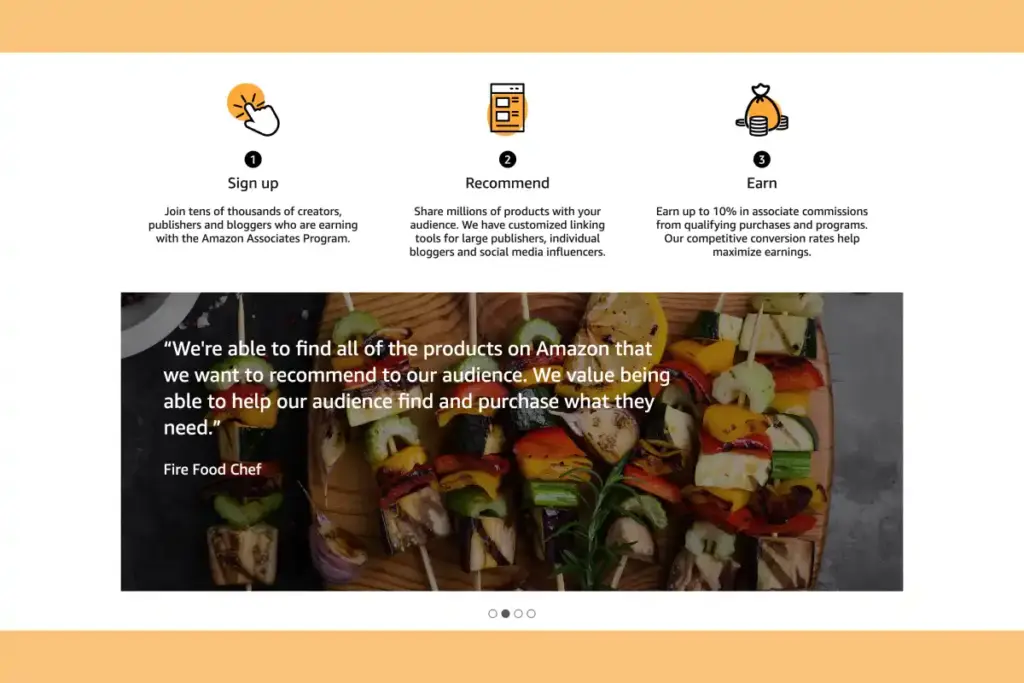
Here’s what you actually get once you’re in:
- A custom storefront at amazon.com/shop/yourhandle
- The ability to organize recommendations into themed collections (think “My Skincare Faves” or “Home Office Setup”)
- Tools to upload shoppable photos and videos
- Access to creator connections, Amazon’s brand-deal marketplace
- Commissions on qualifying purchases, at the same base rates as Amazon Associates
It runs on the same backend as Associates, so the money mechanics are similar. What’s different is who it’s built for. Associates assumes you have a website or blog. The Influencer Program assumes you have an audience on social media, and it evaluates your account directly instead of asking for a URL.
There’s also a second, quieter layer to this that most guides gloss over: once you’re accepted, you can apply separately for onsite approval. That’s what lets your videos and photos show up directly on Amazon product pages, not just your own storefront.
It’s a completely different review, and it’s genuinely where most of the real earning potential lives. I’ll walk you through exactly what that means further down.
Is the Amazon influencer program legit?
Short answer: yes, it’s legit. It’s run directly by Amazon, payouts land in your bank account, and there’s no cost to apply or maintain your storefront.
Whether it’s worth it depends on effort, honestly. This isn’t a program you set up once and forget. The influencers actually making meaningful money are the ones consistently posting, refreshing their storefronts, and treating their Amazon presence like a real content channel, not an afterthought.
If you’re already creating product-related content on social media, there’s genuinely no downside to applying. Worst case, you get declined and try again in a month. Best case, you’ve added a monetization layer that runs alongside everything else you’re already doing.
Amazon influencer program vs. Amazon associates
I get this question a lot: are both of these the same? So let’s clear it up fast.
If you’re building a website and writing content around products, Associates is still your program. If your audience lives on Instagram or TikTok and you don’t have a blog (or don’t want one to be your main channel), the Influencer Program fits your actual workflow better.
| Factors | Amazon Associates | Amazon Influencer Program |
| Built for | Websites, blogs, apps | Social media creators |
| Application | Requires a live site with content | Requires an active, public social account |
| Where links live | Embedded in blog posts/articles | Personal storefront + social bio |
| Commission structure | Standard category rates | Same rates, plus onsite video bonus |
| Tools | Individual links for each product promoted | Single storefront link (also supports individual links via Stripe or Mobile GetLink) |
Truth is, a lot of creators end up doing both eventually. We actually broke this comparison down in a lot more depth in Amazon Influencer vs Associate worth a read if you’re still on the fence about which path suits you.
Get access to our exclusive offers and pro tips!
Requirements to join the Amazon influencer program
Before you even think about applying as an Amazon influencer, here’s exactly what Amazon is checking for. I’ve broken it into the categories that actually matter, because “just have good engagement” doesn’t tell you much on its own.
1. Eligibility check
The program currently accepts applicants based in the US, Canada, UK, France, Germany, Italy, Spain, and India. If you’re outside these countries, the application won’t go through yet, so it’s worth confirming this before you spend time preparing anything.
2. Active social account
You need an active, public account on at least one of the following:
- YouTube
- TikTok
You only need to connect one, so lead with whichever platform has your strongest engagement, not necessarily your biggest number.
One catch: if you’re applying with Instagram or Facebook, it has to be a business or creator account, not a personal profile. Personal accounts on either platform won’t pass the check.
3. Follower count and engagement
Amazon has never published an official minimum, and that’s the honest truth, not a dodge. But based on approval patterns across thousands of applicants:
- 1,000+ followers on your primary platform is the realistic floor
- 5,000+ is a comfortable safety margin
- Engagement rate matters more than the follower number itself; most niches need roughly a 1–3% engagement rate to clear review
- Private accounts are auto-declined, regardless of follower count
I’ve seen 2,000-follower accounts with genuinely active comment sections get approved over 50,000-follower accounts with dead engagement. That pattern holds consistently.
4. Content consistency
Amazon wants to see that you’re actually active, not that you posted once and disappeared. The general benchmark is:
- At least 3 posts a month, minimum
- Weekly posting if you want to be on the safer side
- Content that naturally fits a product-recommendation format: reviews, hauls, try-ons, tutorials
5. Personal and business news
During the application, you’ll need to provide:
- Your address and phone number
- The main product categories you plan to recommend
- A disclosure of whether your content is primarily directed at children under 13
- A valid W-9 and tax ID (US applicants) so Amazon can process payouts; international creators go through their regional program’s equivalent
6. Age requirement
You need to be 18 or older to hold the account independently, since it involves a legal agreement with Amazon and tax reporting. Amazon does not offer a parent/guardian workaround for the Influencer Program the way some content platforms do.
7. One easy-to-miss step
Part of the verification process asks you to follow the Amazon Influencer Program’s official account on Instagram. It’s a small thing, but skipping it has tripped up more applicants than you’d expect.
None of this guarantees approval, but hitting every point above puts you in a genuinely strong position. Meeting the bare minimum on paper (an account, a following) isn’t the same as meeting what Amazon’s actually screening for.
Amazon influencer commission rate by category
Since the Influencer Program runs on the same backend as Amazon Associates, your commission rate depends entirely on what category the purchased product falls under, not on how big your following is.
Here’s the current breakdown, straight from Amazon’s fixed standard commission rates table:
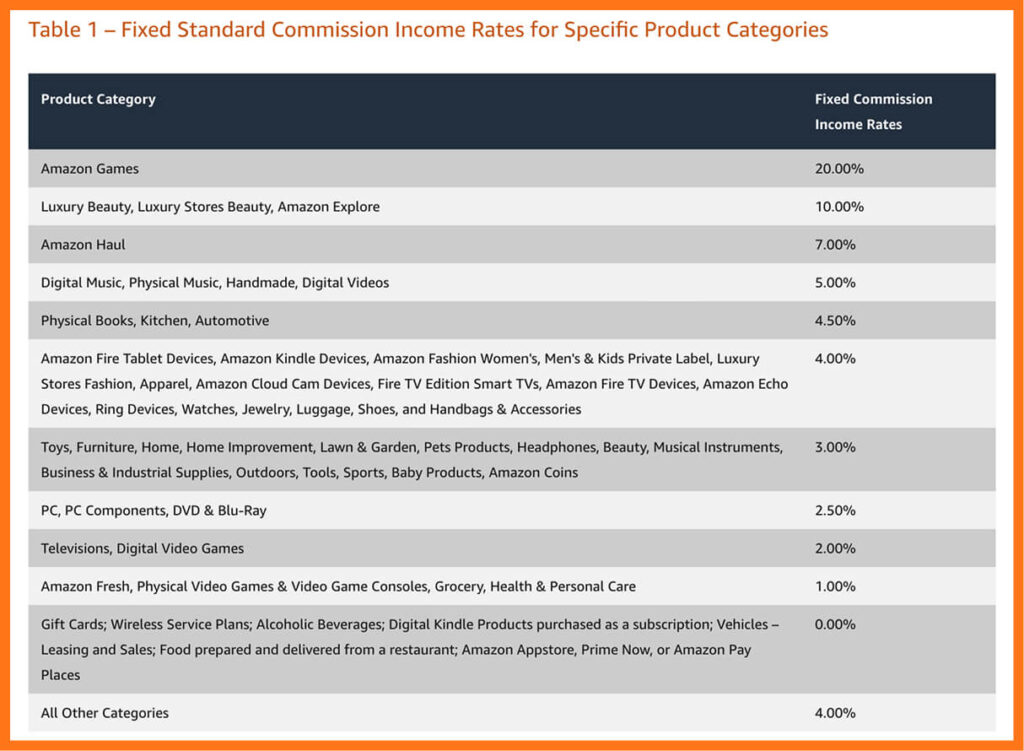
A few things worth understanding about how this actually plays out:
- Your category mix matters more than your follower count: A creator recommending $50 luxury skincare (10%) earns four times more per sale than one recommending a $50 electronics accessory (2%), with the same effort and same audience size.
- The 24-hour cookie window still applies: If someone clicks your link but buys three days later, that sale doesn’t count. This is unchanged in the Influencer Program.
- A recent policy update affects qualifying purchases: As of April 2026, Amazon added an 180-day shipping/delivery window for a purchase to count, and tightened what counts as “original content.” This applies to both Associates and Influencer Program participants, so it’s worth a quick read through your Associates Central dashboard if you haven’t already.
- Rates are set by Amazon and can change: These numbers are accurate as of writing, but Amazon reserves the right to adjust them, so your dashboard is always the source of truth for your actual rate at any given moment.
If you want a deeper look at how Amazon structures commissions across categories generally (this applies to the base rate here too), I covered it in How to Increase Your Amazon Affiliate Commission.
How Amazon influencer program works (Start to finish)
Once you see the full process laid out step by step, it’s a lot less confusing than it sounds. Here’s exactly how it plays out, from application to getting paid.
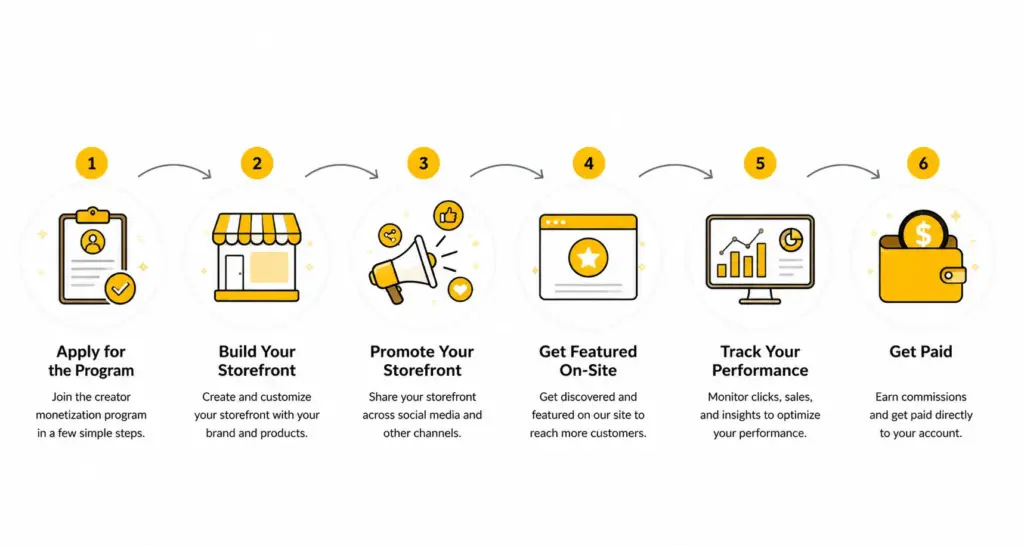
Step 1: Apply for the program
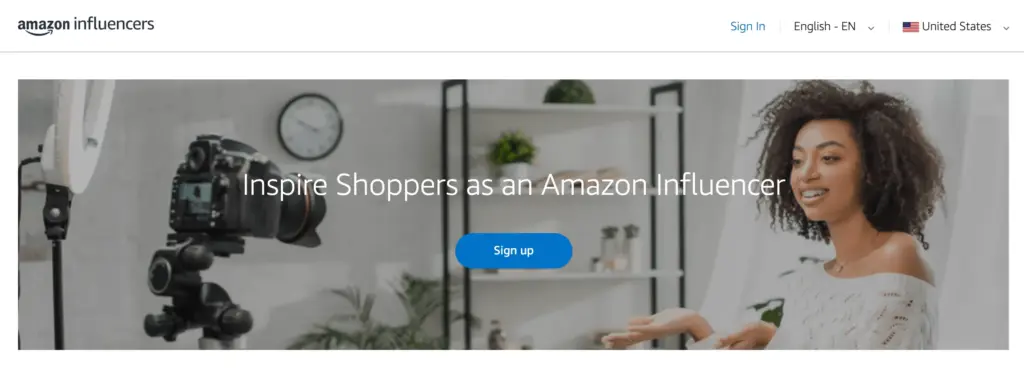
Head to Amazon’s official Influencer Program page and sign up using your existing Amazon account, or create a new one. You’ll connect the social account where you have the most engagement and followers Instagram, YouTube, TikTok, or Facebook and Amazon checks it against their eligibility criteria before approving you.
Step 2: Build your storefront
Once you’re approved, you’ll get a personalized storefront URL with your name attached to it. This is where the real setup begins: add a profile photo, write a bio that actually sounds like you, and start building product lists.
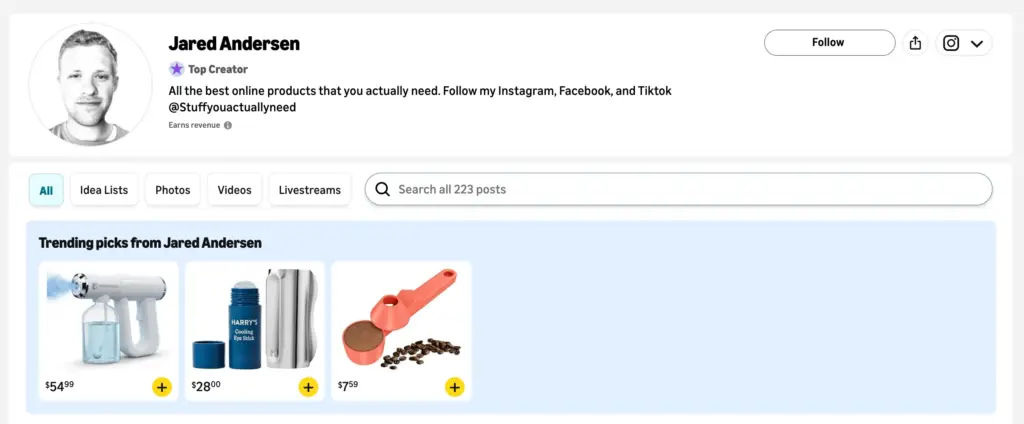
The best storefronts aren’t the ones stuffed with every product you’ve ever touched. They’re organized and reflect your actual taste think “Kitchen Must-Haves” for a food creator or “Everyday Skincare” for a beauty creator, not one giant unsorted pile. Followers should be able to scan your storefront and immediately understand what you’re about.
Step 3: Promote your storefront
A storefront with no traffic doesn’t earn anything, so promotion is where the actual income comes from.
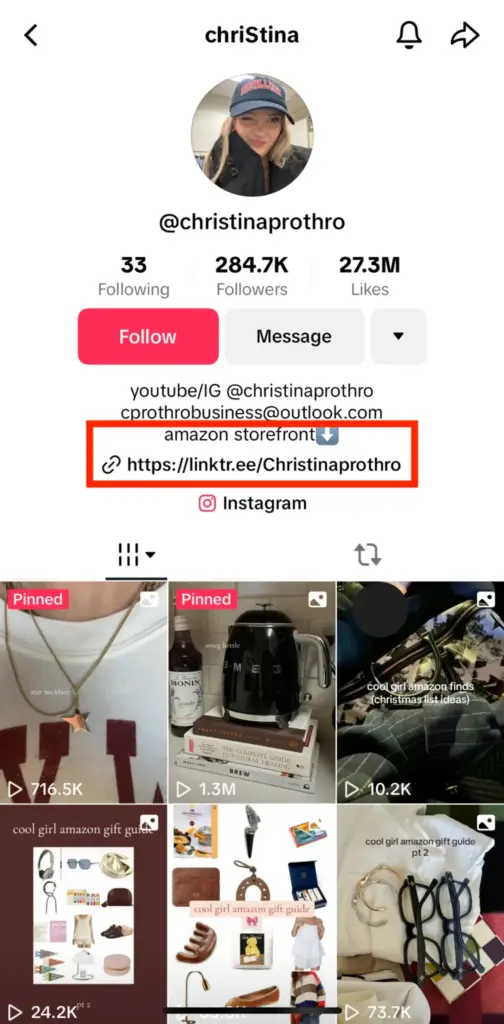
A few ways creators do this well:
- Add your storefront link to your bio so it’s always one tap away
- Weave it into content you’re already making: get-ready-with-me videos, day-in-the-life content, or casual product mentions that point people to your storefront
- Lean into seasonal content, like “Fall Favorites” or “Holiday Gift Picks,” which tend to spike traffic reliably
- Post dedicated reviews of products you’ve genuinely used
- Create a recurring “Amazon Finds” series carousels or videos people come to expect from you
Step 4: Go live and get featured on-site
Beyond your own channels, Amazon gives you two more ways to be seen. Amazon Live lets you stream and tag products in real time. And if you’re onsite-approved, your shoppable videos can appear directly on Amazon’s own product and category pages. For that, Amazon wants the following:
- Clean MP4 files (limit 5 GB per video)
- A specific and clear title (not just “check this out”),
- Tagged products,
- A custom thumbnail.
Step 5: Track your performance
Your dashboard shows clicks, commissions, and your best-performing products. It’s worth checking regularly; it tells you what your audience is actually responding to, instead of you guessing at it.
Step 6: Get paid
You choose how you’re paid: Amazon gift certificate, check, or direct deposit. One detail worth knowing upfront so it doesn’t catch you off guard: payouts land roughly 60 days after the month you earned them. Commission from January, for instance, typically shows up in late March. Plan around that lag if you’re relying on this as steady income.
How to get approved (What gets people rejected)
Getting through the door comes down to a few things Amazon consistently weighs:
- Public, active account – Private accounts get auto-declined, no exceptions
- Real engagement – Likes and comments that look organic, not purchased or botted
- Consistent posting – Aim for at least 3 posts a month, weekly if you can manage it
- Content that fits a recommendation format – Product mentions, reviews, hauls, and try-on content all read well
The most common reason I see people get rejected isn’t follower count at all; it’s an account that looks inactive or an engagement rate that doesn’t match the audience size. Fix that before you apply, not after you get declined.
Ready to join Amazon influencer program?
The Amazon Influencer Program isn’t complicated once you see it laid out end to end: apply with your strongest social account, get approved, build a storefront that actually looks curated, and layer in onsite content once you qualify for it.
If you’re already creating content your audience trusts, this is one of the more natural ways to turn that into income without building a website from scratch. And if you do eventually want a website alongside it, that’s exactly the kind of setup AzonPress is built for: organizing your product picks into something that looks professional and converts, without touching a line of code.


Frequently asked questions
Here are some frequently asked questions regarding the Amazon influencer program.
1. How many followers do I need for the Amazon Influencer Program?
There’s no official minimum. In practice, 1,000+ followers with strong engagement gives you a realistic shot, and 5,000+ is a comfortable safety margin.
2. Is the Amazon Influencer Program free to join?
Yes. There’s no application fee and no cost to maintain your storefront. The approval for joining lands within 1 to 5 business days.
3. What’s the difference between storefront approval and onsite approval?
Storefront approval lets you build your shop and earn from traffic you send yourself. Onsite approval lets your content appear directly on Amazon product pages, earning from Amazon’s own shoppers.
4. Can I do both the influencer program and Amazon Associates?
Yes, and many creators do. If you run a blog alongside your social presence, nothing is stopping you from using both programs together.
5. What happens if I get rejected?
Wait roughly 30 days before reapplying, and use that time to improve engagement and posting consistency. Reapplying too quickly can flag your account.



Read Similar Blogs
We build lasting partnerships to boost and manage revenue growth



Leave a Reply