


YouTube Affiliate Marketing: How to Earn with Videos


In this AI era, people are no longer convinced by text-based recommendations.
People like to see the real face behind any product recommendations. YouTube affiliate marketing offers that opportunity to gain trust of viewers that blogs and social posts can’t generate.
Audience can see your face, hear your voice, and watch you actually use the products. That personal connection turns casual viewers into buyers far more effectively than a written review ever could.
Additionally, YouTube videos keep working for you months or even years after you hit publish.
If you’re already doing affiliate marketing through a blog or Instagram, YouTube opens up a different kind of opportunity.
However, if you’re completely new to this, don’t worry. This guide walks you through exactly how it works and how to get started without the usual confusion.
First, lets undertsand what it is exactly.
What is YouTube affiliate marketing?
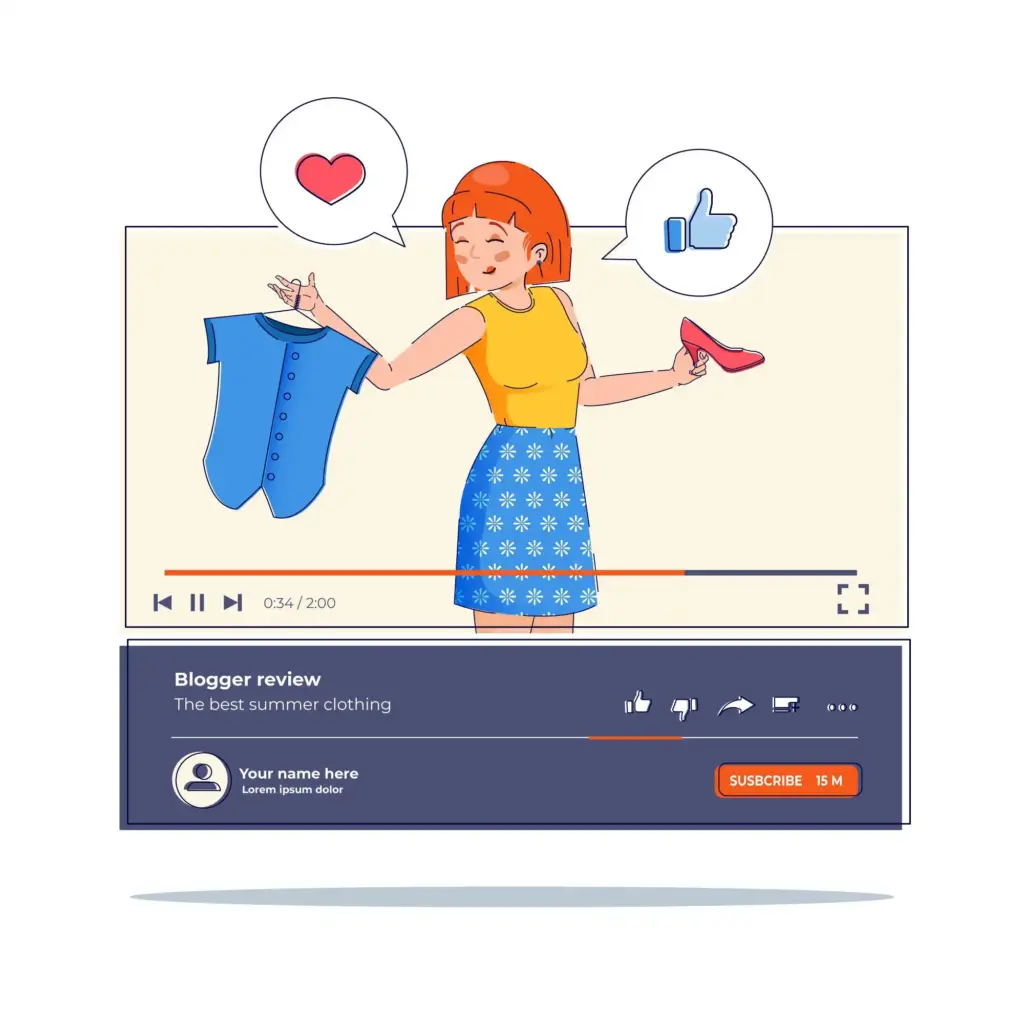
YouTube affiliate marketing is pretty straightforward: you create videos, recommend products or services, and earn a commission when viewers purchase through your unique affiliate links. Those links typically go in your video description or pinned comments. When someone clicks and buys, you get paid, simple as that.
The main difference from other platforms is that it carries trust factors. Viewers see your face and hear your voice, watch you demonstrate products, and get a sense of your personality. That personal connection makes recommendations feel less like ads and more like advice from a friend.
You don’t need millions of subscribers to make this work. Plenty of creators earn solid affiliate income with smaller, engaged audiences. All you need to do is create quality content that genuinely helps the audience.
YouTube affiliate marketing pros and cons
Almost 52% marketers consider YouTube as a high priority for marketing products. It means YouTube affiliate marketing actually ensures higher returns.
But, yes, there are always two sides to a coin. Along with the benefits its has a few drawbacks.
Let’s understand both the advantages and challenges you’ll face. YouTube affiliate marketing isn’t a magic solution, but it does offer some unique benefits compared to other platforms.
Pros of YouTube affiliate marketing
Passive income potential: The biggest advantage is earning money while you sleep. Once you upload a video and it starts ranking in YouTube search, it can generate commissions for months or years without additional work. A product review you created six months ago can still earn commissions today as new viewers discover it.
Video builds trust faster: When viewers can see your face, hear your voice, and watch you actually use a product, they feel like they know you. That relationship makes them more likely to trust your recommendations compared to reading text on a blog. You can demonstrate products in real-time, show before-and-after results, and let your personality shine through.
Low barrier to entry: You don’t need any upfront investment beyond basic equipment. If you have a smartphone, you can start today. There are no inventory and product fulfillment costs, and no customer service responsibilities. You simply recommend products, share your affiliate links, and earn commissions when people buy. Most affiliate programs are free to join, making this one of the most accessible online business models.
Search engine discovery: YouTube is the second-largest search engine in the world. People actively search for product reviews, comparisons, and tutorials every single day. If you optimize your videos properly with the right keywords and titles, you can tap into existing demand rather than trying to create it from scratch. This organic traffic can continue flowing to your videos for years.
Cons of YouTube affiliate marketing:
Time to see results: Like other social media platforms, you can’t see an instant result after publishing a new post. Your first few videos probably won’t get many views or generate meaningful income. YouTube needs time to understand your content and who to show it to.
You might spend three to six months creating content before you see consistent commissions. This delayed gratification frustrates many beginners who expect immediate returns. Success requires patience and consistency, even when the numbers are discouraging.
Significant competition: YouTube is already filled with many established creators. And most of the popular categories are also covered by those creators. Walking into a saturated niche means competing with channels that have thousands of subscribers and years of authority.
You’ll need to find your unique angle, perspective, or sub-niche to stand out. Generic product reviews rarely break through anymore; you need both creativity and differentiation to get noticed.
Time-intensive content creation: Video production requires more effort than other content formats. Even simple videos need filming, editing, optimization, and thumbnail creation. If you’re learning as you go, a single 10-minute video might take you 4-5 hours to produce. This time investment can feel overwhelming, especially when you’re balancing it with other responsibilities and not yet seeing financial returns.
Get access to our exclusive offers and pro tips!
Best video types for YouTube affiliate marketing
We’re familiar with YouTube affiliate marketing videos. I’ve watched many videos and purchased products by clicking on the affiliate referral links. I’m pretty sure you all are doing so.
There are many types of videos that affiliates often create to promote their product. I found many videos that instantly divert my mind to purchase the products, while some also feels broing and lengthy.
After reviewing all video types here, I am creating a list of the best video types that work well.
Product reviews
Product reviews are the best type of videos for YouTube marketing. People actively searching for reviews are already in buying mode. They want detailed information before making a decision, and your video helps them decide. When you use any product and share your honest thoughts, this motivates them to give it a try.
A Good reviews cover pros and cons, and viewers can smell a biased review from a mile away. While creating a review video, follow the structure below that actually works:
- Quick overview of what the product is
- Who it’s best for
- Key features and your experience
- What you liked
- What could be better
- Your verdict and who should buy it
Here’s a demo of a WordPress Amazon affiliate plugin review video, created by The Saas Deals.
In this video, the creators cover what AzonPress is and how it helps affiliate marketers to create an Amazon product table. Also, its features, functionalities, and a final push where he suggested buying it.
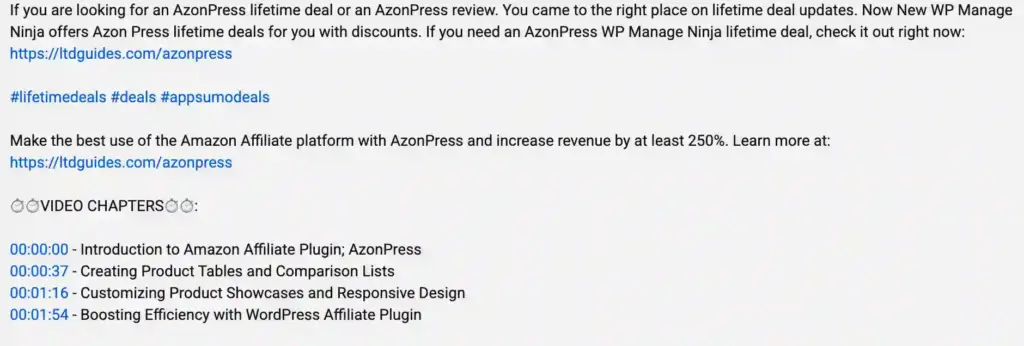
From the screenshot below, you can see the review video description, where the affiliate marketer gives a short product description and adds affiliate links. This is how affiliate marketers promote products through video content.
Comparison videos
Comparison videos perform incredibly well because they target people who’ve already narrowed down their options. They’re close to making a purchase and are just seeking help in making a decision.
You simply need to create detailed videos of various products within the same category. Be fair in your comparisons. Declare a winner, but acknowledge that different products suit different needs.
I like this kind of comparison video because it’s very helpful, the audience can get a quick overview of multiple products in same time. It also lets creators promote multiple products in a single piece of content.
Best-of roundups
“Top 5 budget cameras for beginners” or “Best standing desks in 2026,” these videos attract viewers in research mode. They’re casting a wide net, and your job is to help them narrow it down.
These videos also promote multiple products in a single video, but they don’t compare products. They just listed the top products in the same category and provided a clear overview of these functionalities.
I thinks its works especially well for people who don’t have much prior knowledge. They get a quick understanding of the different types of products available without feeling overwhelmed.
Bonus: Roundup videos let you include multiple affiliate links, increasing the chances that at least one product resonates with each viewer.
Tutorials and how-to videos
How-to videos or tutorial videos work well because you’re solving a specific problem. These videos teach something useful while naturally mentioning the tools you use.
A video on “How to Start a Podcast” can include affiliate links to microphones, hosting platforms, and editing software. This approach feels less salesy because the focus is on helping, not selling.
I know a channel named Linus Tech Tips, that published this kind of video; they are popular as an industry leader in consumer tech.
People love how-to tutorial videos because they don’t just see the product they learn how to actually use it. From a marketing perspective, tutorials are incredibly effective. Creators showcase the product in a detailed, practical way while naturally demonstrating its value. At the same time, they include the product link in the video description, making it easy for viewers to take action once they’re convinced.
Unboxing videos
People love watching others open new products. Unboxings build excitement and give viewers a realistic look at what arrives when they order. For affiliate marketers, unboxing videos feel authentic and trust-building, often influencing impulse buying decisions.
Combine unboxing with first impressions for maximum impact. Share your journey from receiving the products to unboxing them for the first time. This helps generating turst on audience’s mind.
How YouTube affiliate marketing works?
Video content creates a different relationship with your audience. When someone watches you explain how a product solved your problem or demonstrate it in real-time, they connect with your experience. That trust translates to higher conversion rates compared to a simple text recommendation.
YouTube affiliate marketing works in the following ways.
Join affiliate programs
First, you need to join an affiliate marketing program. Amazon Associates is the most beginner-friendly option with millions of products to promote. For digital products and courses, ShareASale, CJ Affiliate, and ClickBank offer a good variety. Many individual companies also run their own affiliate programs. If there’s a product you love and use, check their website footer for an “Affiliates” link.
Once approved, you’ll receive unique tracking affiliate links for the products you want to promote. These links contain your affiliate ID so the company knows when a sale comes from you.
The legal stuff you can’t ignore
The Federal Trade Commission requires you to disclose affiliate relationships. This isn’t optional, and it’s actually pretty straightforward.
You need to clearly state that you may earn a commission if someone purchases through your links. Most creators do this in two places: verbally in the video itself or in the description.
A simple disclosure in your description might look like: “Some links in this description are affiliate links, which means I may earn a commission if you purchase through them at no additional cost to you.”
Create helpful content
The videos that convert best don’t feel like advertisements. They feel like a friend giving you honest advice. You create videos that naturally incorporate product recommendations, such as reviews, tutorials, comparisons, or how-to guides.
Share your real experience with the product. If you’ve only used something for a day, say that. If you’ve used it for months and it changed your workflow, explain how. Specificity builds trust.
Add links strategically
Place your affiliate links in the video description, and mention them during the video. YouTube doesn’t allow clickable links in videos themselves, so your links go in the video description.
Some creators mention “link in description” verbally during the video to direct viewers there. You can also pin a comment with your affiliate links if you want them to be more visible.
Earn commissions
When viewers click your links and make purchases, you earn a percentage of the sale. Commission rates vary wildly, anywhere from 1-2% on Amazon to 30-50% on digital products and software.
The cookie window matters too. Amazon gives you 24 hours (meaning you earn commission on anything the person buys within 24 hours of clicking your link). Other programs offer 30, 60, or even 90-day windows.
Steps to launch YouTube affiliate marketing
Starting out can feel overwhelming. Many people get stuck at the very first step – where do I even begin?
The good news is, you don’t need to figure everything out on day one. YouTube affiliate marketing works best when you take it step by step. Here’s a practical roadmap to help you get started the right way.
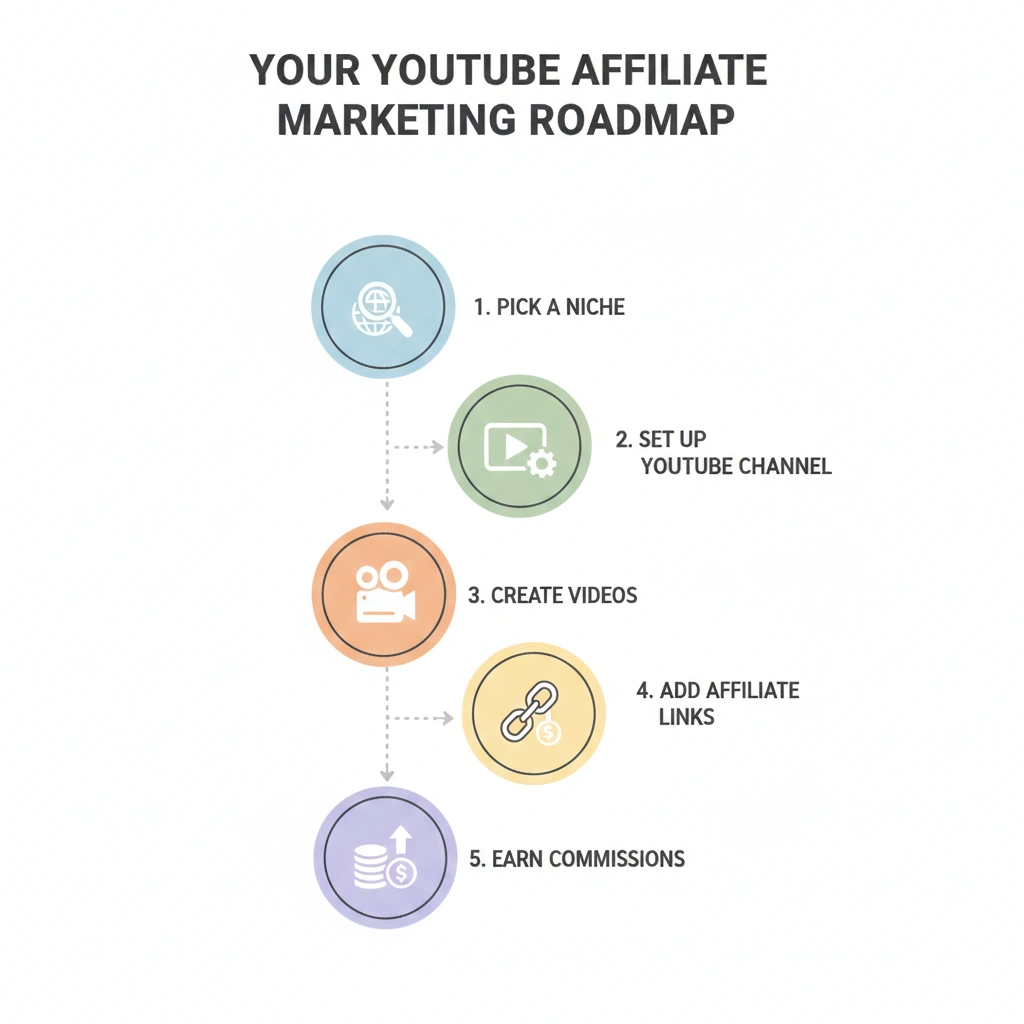
Pick a niche you can stick with
One of the biggest mistakes beginners make is choosing a niche just because it seems profitable. Instead, choose something you’re genuinely interested in and can talk about consistently. You’ll be creating videos regularly, so the topic should feel natural, not forced.
Popular affiliate marketing niches include tech reviews, beauty products, fitness equipment, software tools, home goods, and educational content. But don’t just follow trends blindly.
A good niche usually has:
- People actively searching for product recommendations
- Topics you already understand or are willing to learn deeply
- Reliable affiliate programs with fair commissions
- Competition that’s realistic (avoid going head-to-head with channels that already have millions of subscribers)
The goal isn’t to be the biggest channel; it’s to be helpful and consistent within your space.
Set up your channel properly
Before publishing your first video, make sure your channel looks trustworthy. Viewers (and brands) are more likely to take you seriously when your channel feels complete and organized.
To set up your YouTube affiliate marketing channel:
- Write a clear channel description explaining what type of content you create and who it’s for
- Create a simple banner and profile picture (no need to overdesign)
- Organize content using relevant playlists
- Add links to your website, landing page, or social profiles in the channel bio
A polished setup helps turn first-time visitors into long-term subscribers.
Start with the equipment you have
You don’t need expensive gear to begin. Many successful YouTube affiliate marketers started with just a smartphone. What matters more than camera quality is clear audio and good lighting.
If you’re just starting:
- Use natural light from a window
- Record in a quiet space
- Focus on clear speech and useful content
As your channel grows and starts earning, you can slowly reinvest in better equipment. Don’t let gear become an excuse to delay starting.
Learn the affiliate program rules
Every affiliate program has its own rules, and ignoring them can cost you everything. Platforms like Amazon have strict policies about disclosures, link placement, and promotional language.
Before sharing any affiliate link:
- Read the program’s terms of service
- Clearly disclose Amazon affiliate relationships in your video and description
- Avoid misleading claims or exaggerated promises
Getting banned means losing all future commissions, so it’s better to be cautious from the beginning.
Be patient and consistent
YouTube affiliate marketing is a long-term strategy, not a quick win. Your first few videos may get very few views, and that’s completely normal. Almost every successful creator started the same way.
Focus on:
- Publishing consistently
- Improving one thing with each video
- Learning from viewer feedback and analytics
Over time, YouTube’s algorithm begins to trust your channel, and older videos can continue bringing views and affiliate income long after they’re published.
YouTube SEO Basics for affiliate videos
Creating great content means nothing if nobody finds it. YouTube is the world’s second-largest search engine, so SEO matters.
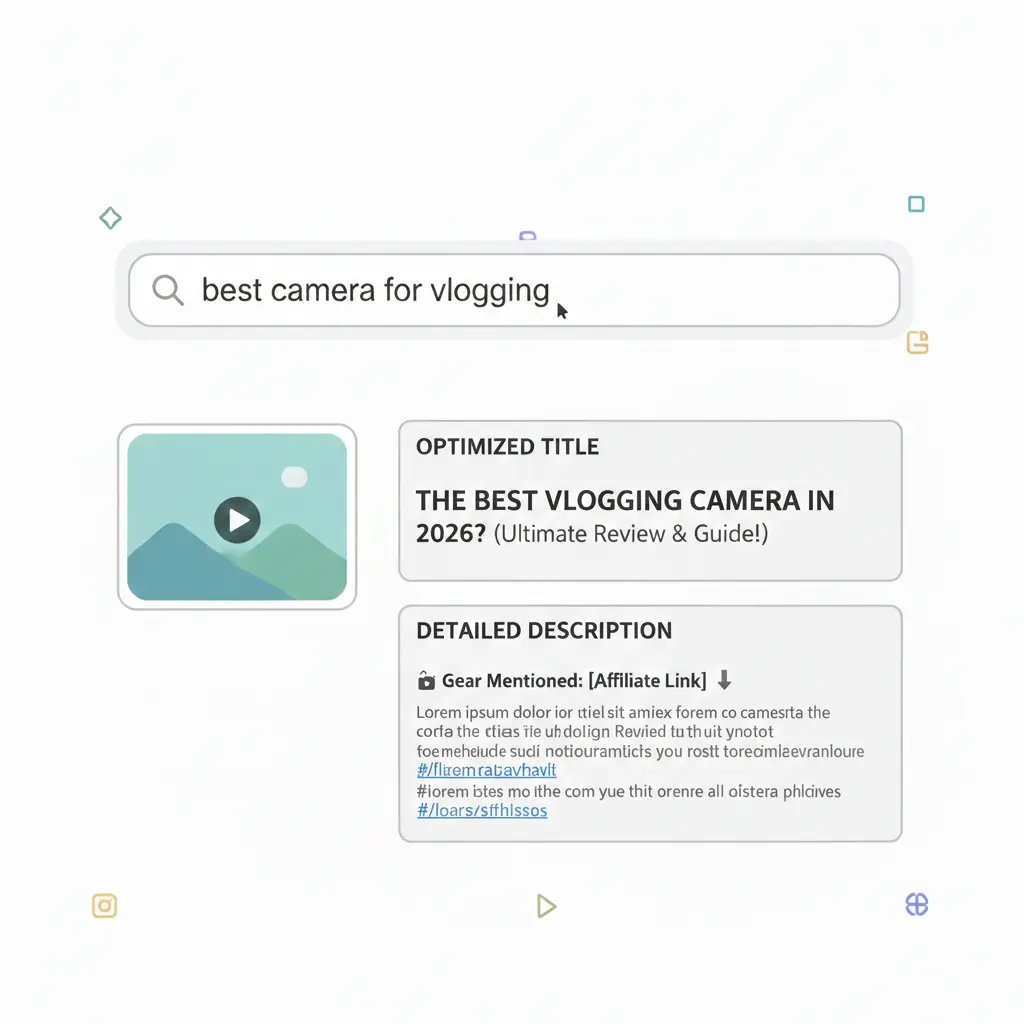
If people can’t find your videos, even the most helpful content will struggle to perform. Because YouTube functions as the world’s second-largest search engine, understanding how SEO works on the platform is essential for growing your affiliate channel and getting consistent traffic over time.
- Keyword research: Before you record a single frame, keyword research should be part of your planning process. YouTube SEO starts with understanding what viewers are actively searching for, not what you assume they want. Tools like TubeBuddy and VidIQ can provide useful insights into search volume and competition.
- Optimize your title: Once you’ve identified your keyword, your title becomes one of the most important ranking and click-driving elements. A well-optimized title should include your main keyword naturally while still sounding clear and honest. The goal isn’t to exaggerate or use hype, but to clearly communicate what the video delivers.
- Write detailed descriptions: Your video description helps YouTube understand the context of your content in greater detail. Including your primary keyword within the first one or two sentences gives the algorithm an immediate signal about your topic.
- Use tags wisely: Tags still contribute to discoverability, especially for new or smaller channels. While they don’t carry the same weight as titles or descriptions, tags help reinforce topic relevance. Using your main keyword along with close variations and related terms provides YouTube with additional context, making it easier for the platform to categorize your video accurately.
- Create click-worthy thumbnails: Thumbnails play a critical role in whether viewers click on your video in the first place. Even if your video ranks well, a weak thumbnail can dramatically reduce clicks. A strong thumbnail communicates value at a glance, using clear visuals and readable text when necessary.
- Engagement engagements: Engagement signals such as watch time, likes, and comments further influence how YouTube evaluates your content. When viewers stay longer and interact with your video, it signals quality and relevance to the algorithm. Encouraging engagement should feel natural and context-driven.
Common YouTube affiliate marketing mistakes
- Promoting products you haven’t used or properly researched; viewers can tell when recommendations aren’t genuine
- Skipping affiliate disclosures, which can lead to FTC issues, account bans, and loss of audience trust
- Being overly salesy instead of informative, YouTube works better when you help viewers decide, not push them to buy
- Neglecting video quality, clear audio, and watchable visuals matter more than fancy equipment
- Giving up too early; YouTube growth is slow at first and improves with consistent publishing over time
- Spreading yourself too thin across multiple niches or affiliate programs before building a solid foundation
- Focusing only on trends and ignoring evergreen content that can generate views and commissions long-term
Ready to start YouTube affiliate marketing?
YouTube affiliate marketing isn’t going to make you rich overnight, but it can become a genuine income stream if you’re willing to put in the work.
I genuinely believe this is one of the better ways to earn online because it rewards honesty and helpfulness. When you create videos that actually solve problems and recommend products you truly believe in, people can feel that authenticity. They trust you, and that trust translates into clicks and commissions.
My advice will be to commit to creating minimum ten videos before you decide whether this is for you. Ten videos will teach you more than reading a hundred articles ever could. You’ll discover what topics resonate, what style feels natural to you, and whether you actually enjoy the process.
If you find yourself excited to film your next video even when the views are low, that means you’re onto something.
Best wishes for your YouTube affiliate marketing journey. Have a good day.
Ciao!





Read Similar Blogs
We build lasting partnerships to boost and manage revenue growth




Leave a Reply